Malaysia's Budget 2027, tabled on 9 October, puts RM8 billion into technical and vocational education and training (TVET) across ministries, up from RM7.9 billion in Budget 2026. HRD Corp gets RM3 billion for three million training places. The Skills Development Fund Corporation (PTPK) gets RM500 million, and CIDB is to train 10,000 young people in robotics and digital technologies.
The money is the easy part of the story. Two days earlier, the head of the National TVET Council (MTVET) Secretariat pointed to the harder part: Malaysia's TVET institutions can hold about 450,000 students at any one time, while the national plan calls for about 1.19 million new TVET enrolment places between 2027 and 2031.
You cannot pour concrete fast enough to close that gap. This article looks at where VR simulation labs help, where they do not, and how to design one so it actually adds training capacity rather than just a showcase room.
What Budget 2027 says about TVET
The headline items, as reported by The Star and Bernama:
- RM8 billion for TVET across ministries.
- RM3 billion for HRD Corp to provide three million skills training opportunities, including continuing professional development.
- RM500 million for PTPK to finance trainees at registered public and private institutes.
- RM150 million for MITRA, with priority for training in industrial automation, technology and aircraft maintenance.
- CIDB to train 10,000 youths in robotics and digital technologies, MARA to place 1,000 Bumiputera youths in high-growth sectors, and ADTEC JTM to run an Advanced Automotive Technology Programme.
Industry has been quick to say what it wants from this. Malaysia Aviation Group's people chief said TVET has to match what the industry actually needs. Naza's automotive CEO pointed out that each car brand uses different technology, so TVET should give graduates strong fundamentals before brand-specific training.
The real bottleneck: seats, rigs and up-to-date equipment
MTVET's numbers explain why the Secretariat keeps talking about work-based learning. The 1,188,479 new enrolment places it is planning for between 2027 and 2031 represent 60 percent of the students expected to sit the SPM in that period, and the target for TVET enrolment among SPM leavers has since been raised to 70 percent. Physical capacity of about 450,000 students does not stretch that far.
There is a second, quieter problem. In The Star's Budget 2027 wish list, the general manager of Perda Advanced Technical Institute warned that a gap can open between what students train on and the technology they meet at work, and asked for continued funding to upgrade workshops. Other experts asked for funding tied to outcomes such as graduate pay, skills matching and career progression, not just enrolment numbers.
So the problem has three parts:
- Not enough training positions on real equipment for the number of students.
- Equipment that ages faster than budgets can replace it.
- Pressure to prove outcomes, not just headcount.
VR simulation does not solve all three, but it is unusually good at the first and third, and it helps with the second.
How a VR simulation lab adds training capacity
The capacity gain comes from one simple fact: on a real rig, one student practises while the others watch. In a simulation lab, everyone practises at the same time.
A simple example makes the point. Say a maintenance procedure takes 30 minutes on a physical training rig, and a workshop has one rig. That is two supervised attempts per hour. Put eight VR stations next to the rig, running the same procedure in 15-minute blocks, and the room can handle 32 practice attempts per hour. Students arrive at the real rig already knowing the sequence, so their time on it goes to the parts that need real hands: torque, feel, fit, and safety checks the instructor wants to see in person.
The numbers will differ for every course, but the pattern holds. VR takes over the repetition, and the scarce physical equipment is saved for the final, assessed attempts.
Designing a TVET simulation lab: the technical choices
This is how we approach a vocational simulation lab, based on the rooms we have delivered.
- Start from the competency standard, not the headset. Each module maps to the tasks and assessment criteria in the course. If a step is not in the standard, it is not in the module.
- Model the equipment the students will actually use. Pumps, valves, panels, vehicles and workshop layouts are rebuilt at real scale from photos, drawings and site visits. AI tools now cut much of that modelling time; we explain the workflow in From Photo to VR-Ready Asset.
- Score every step. Each action is checked against the procedure: order, time, errors and critical mistakes. A wrong isolation step fails the attempt, just as it would in an assessment.
- Size the room to the class. A typical layout pairs a set of VR stations with one or two physical rigs and a teacher console that shows every station's progress. A teacher can push the lesson to all seats, watch who is stuck and cast any screen to the front.
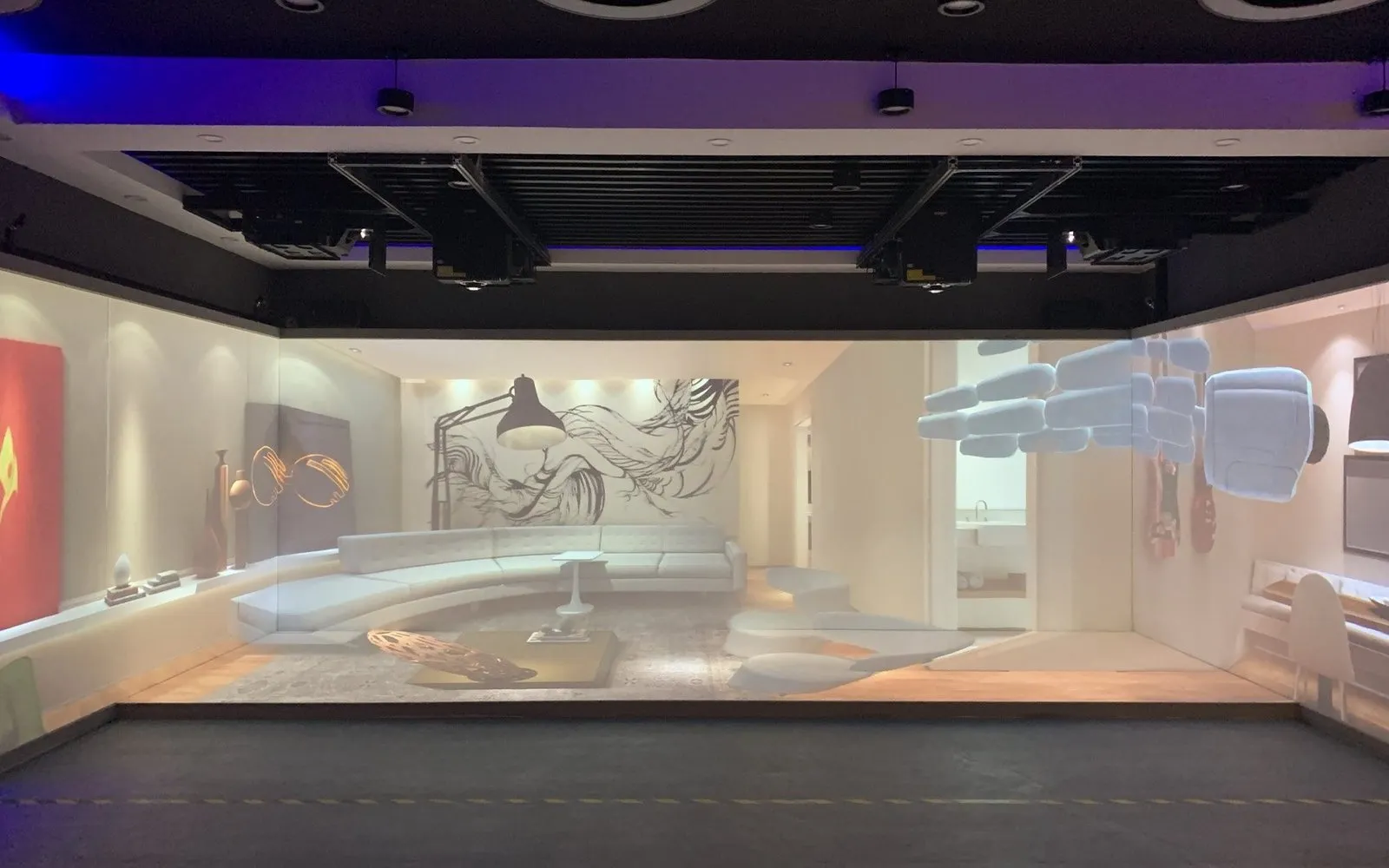
- Add a group space for demonstrations. An immersive projection room or a CAVE lets a teacher walk a whole class through a plant, an engine bay or a building site at 1:1 scale without headsets. It is also where newer students get comfortable before they put on a headset.
- Choose hardware for the timetable. Standalone headsets such as Quest 3 are quick to hand out and easy to move between rooms. PC VR stations suit heavier scenes and fixed rooms. Many labs mix both.
- Plan for updates. When a new model of machine or vehicle arrives, a virtual version can be added to the lesson library long before a second physical unit is affordable.
Our modules run on AeduVerse, a browser-based WebXR platform that works on PCs, mobile devices, VR headsets and CAVEs with nothing to install. Teachers build and update steps, hotspots and questions themselves in AeduVerse Creator, so a curriculum change does not wait for a developer. After each session the teacher can see which steps each student completed and where they made mistakes.
Turning practice into outcome data
Budget 2027 commentary keeps coming back to outcomes, so it is worth designing for them from day one. A simulation lab produces data that a workshop logbook cannot:
- Attempts per student before they pass a procedure.
- Errors by step, which shows where the teaching, the materials or even the real SOP need work.
- Critical errors, tracked separately, because these are the ones that matter on a real site.
- Time to competence for a cohort, compared across intakes.
This is the kind of evidence institutions can bring to funders, industry partners and accreditation reviews. It also gives employers something concrete when they ask what a graduate can actually do.
Teachers first
The most common reason a simulation lab sits unused is not the hardware. It is that teachers have not had time to learn how to run a lesson in it.
One of the projects we delivered is a Virtual Simulation Training Base with an immersive projection room, multi-user VR stations and course content. It is used for regular training sessions and has trained teachers from more than 100 vocational institutions. The lesson from it is simple: budget for teacher training as part of the lab, not after it. A teacher who has run a class in the room twice will use it every week. A teacher who has only seen a demo will not.
Funding and getting started
Budget 2027 gives institutions and employers several routes to look at, including HRD Corp, PTPK and BAKAT Madani, where companies running its training can claim tax deductions from 29 June 2026 to 31 December 2030. Eligibility depends on the programme, the provider and the type of spending, so confirm it with the agency before you plan the budget around it.
A practical way to start:
- Pick one high-demand course where real equipment is the bottleneck, such as maintenance, electrical or automotive work.
- Build two or three modules from your own equipment and procedures.
- Run them for one intake and compare results with the previous intake.
- Expand to more stations, more courses or a group projection room once you have the data.
How Aedu AI helps
Aedu AI is a Singapore company that designs, installs and supports XR Labs for universities, vocational schools and industrial training centres: VR classrooms, CAVEs, immersive projection rooms, industrial VR training rooms and virtual simulation training bases. We handle the site survey, floor plan and itemised quote, installation and calibration, course content built from your equipment on AeduVerse, teacher training and support after handover. The lab runs on your premises and the training data stays with you.
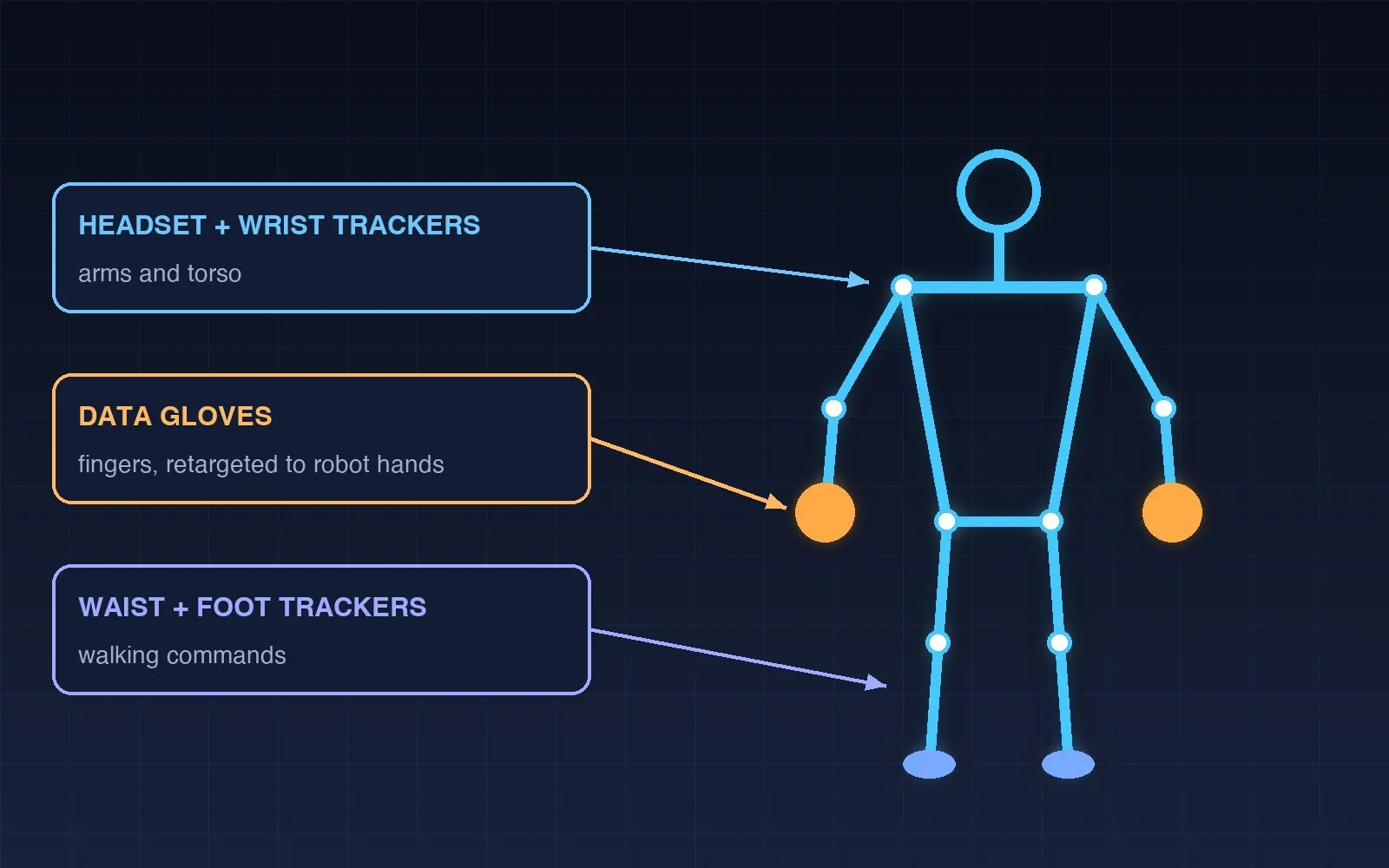
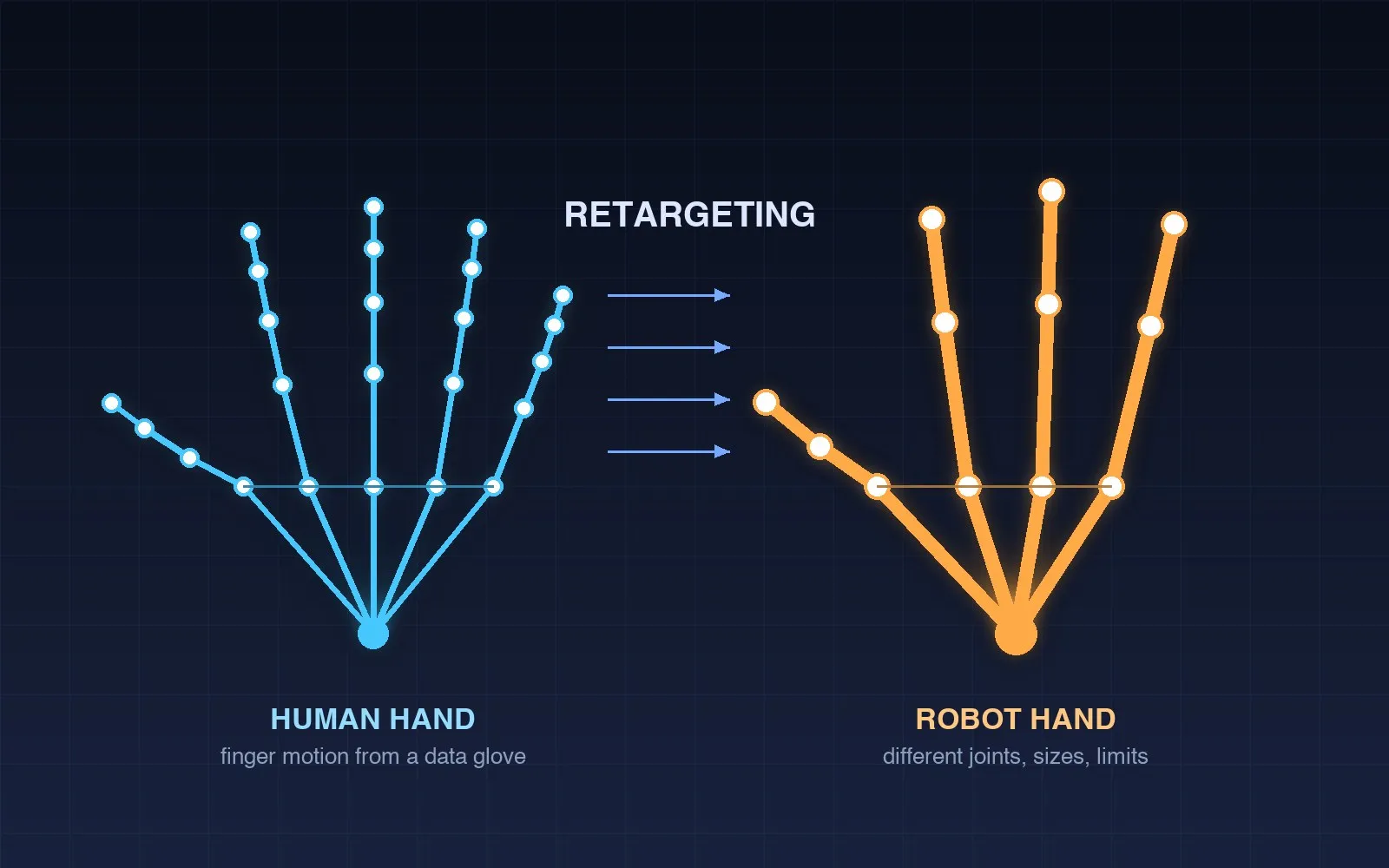
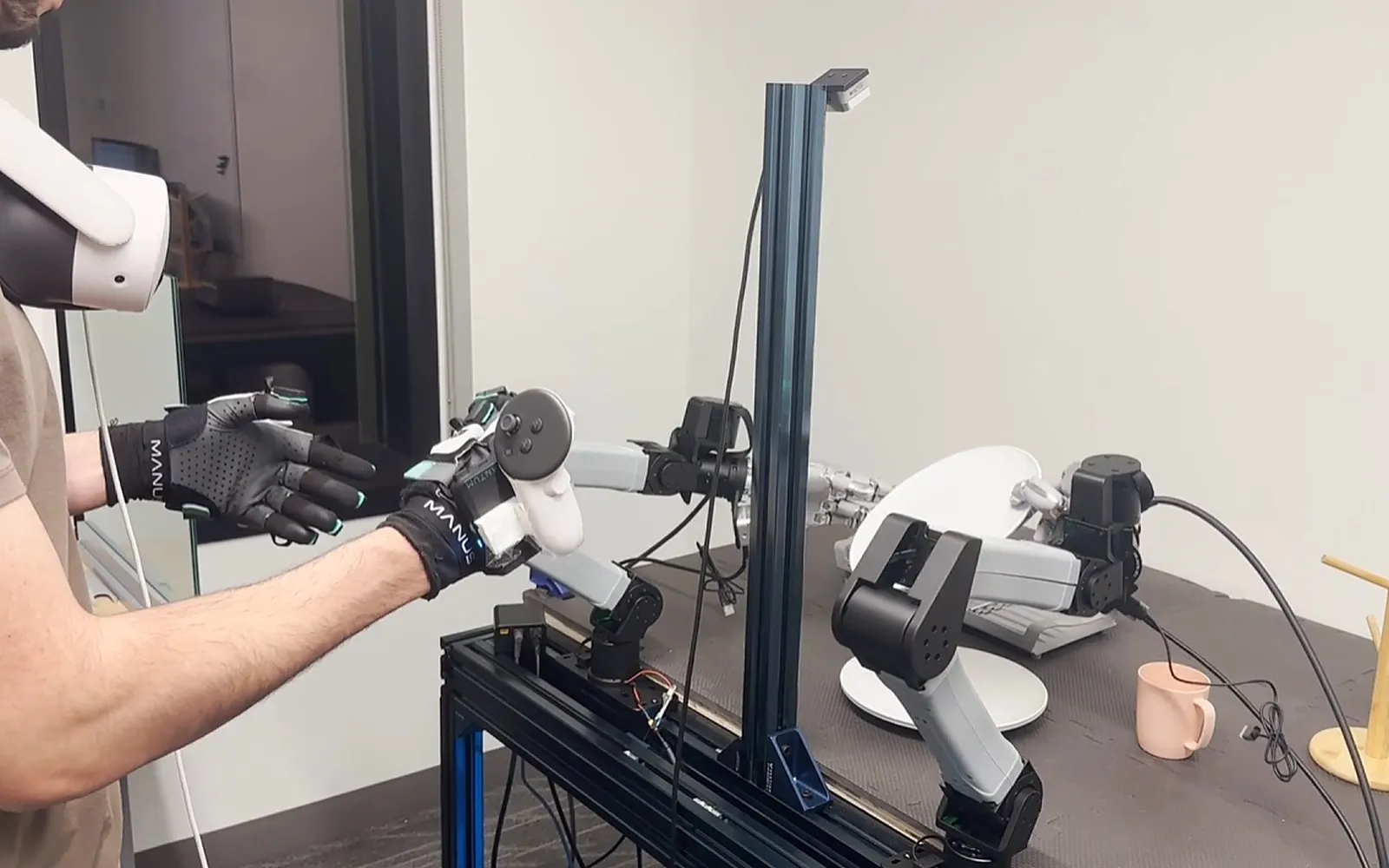
For robotics and automation programmes, such as the CIDB robotics training in Budget 2027, our Physical AI Lab covers robot teleoperation and data collection. For safety-critical courses, see our guide to VR safety training in Singapore and Malaysia.
See the labs we have built on our projects page, read more about Aedu AI, or use Get in touch on any page to tell us which course you want to start with.
Key points
- Budget 2027 allocates RM8 billion to TVET, including RM3 billion for HRD Corp and RM500 million for PTPK.
- TVET institutions can hold about 450,000 students at once, while about 1.19 million new enrolment places are planned for 2027 to 2031.
- VR simulation adds capacity because every student practises at the same time, and scarce physical rigs are kept for final, assessed attempts.
- A good lab maps modules to the competency standard, scores every step and pairs VR stations with real equipment.
- Step-level data gives institutions the outcome evidence that funders and employers are asking for.
- Teacher training should be part of the lab budget, not an afterthought.
FAQ
Can VR replace hands-on training in TVET?
No. VR replaces repetition and first attempts, not the final hands-on assessment. Students learn the sequence and the safety points in VR, then prove the skill on real equipment.
Which TVET courses suit VR simulation best?
Courses where equipment is expensive, scarce or dangerous to practise on: plant and equipment maintenance, electrical work, automotive, aircraft maintenance, chemical processes and construction safety.
How many VR stations does a lab need?
It depends on class size and timetable. A common starting point is enough stations for half a class, so one group practises in VR while the other works on the physical rig, and the groups then swap.
Can teachers update the content themselves?
Yes. In AeduVerse Creator, teachers edit scenes, steps, hotspots and questions in the browser and publish changes to their class.
Do you deliver labs outside Singapore?
Yes. We are based in Singapore and also deliver labs for customers in other countries. Tell us where your institution is and we will plan the survey, installation and support around it.
Sources
- The Star, "Budget 2027: Boost for higher education, TVET" (9 October 2026): https://www.thestar.com.my/news/nation/2026/10/09/budget-2027-boost-for-higher-education-tvet
- Bernama, "Budget 2027: Work-Based Learning Key To Expanding TVET Access - MTVET" (7 October 2026): https://bernama.com/en/general/news.php?id=2616420
- Bernama, Budget 2027 TVET allocations and the aviation and automotive industries (16 October 2026): https://www.bernama.com/en/news.php?id=2621177
- The Star, "Backing TVET" (4 October 2026): https://www.thestar.com.my/news/education/2026/10/04/backing-tvet
- Malay Mail, "Budget 2027: RM8b for TVET, 30,000 new job opportunities via BAKAT Madani" (9 October 2026): https://www.malaymail.com/news/malaysia/2026/10/09/budget-2027-rm8b-for-tvet-30000-new-job-opportunities-via-bakat-madani/238487
- TVET Malaysia
- Budget 2027
- VR Simulation Lab
- Vocational Training
- HRD Corp
- XR Labs